Best Supplements for Perimenopause: What Actually Helps and What to Skip
If you’ve been searching for the best supplements for perimenopause, you’ve probably seen a long list of options that all claim to help.
The truth is, not everything is necessary. And not everything works the same for everyone.
This guide focuses on supplements that are commonly recommended and supported by research, so you can make informed decisions without overcomplicating your routine.
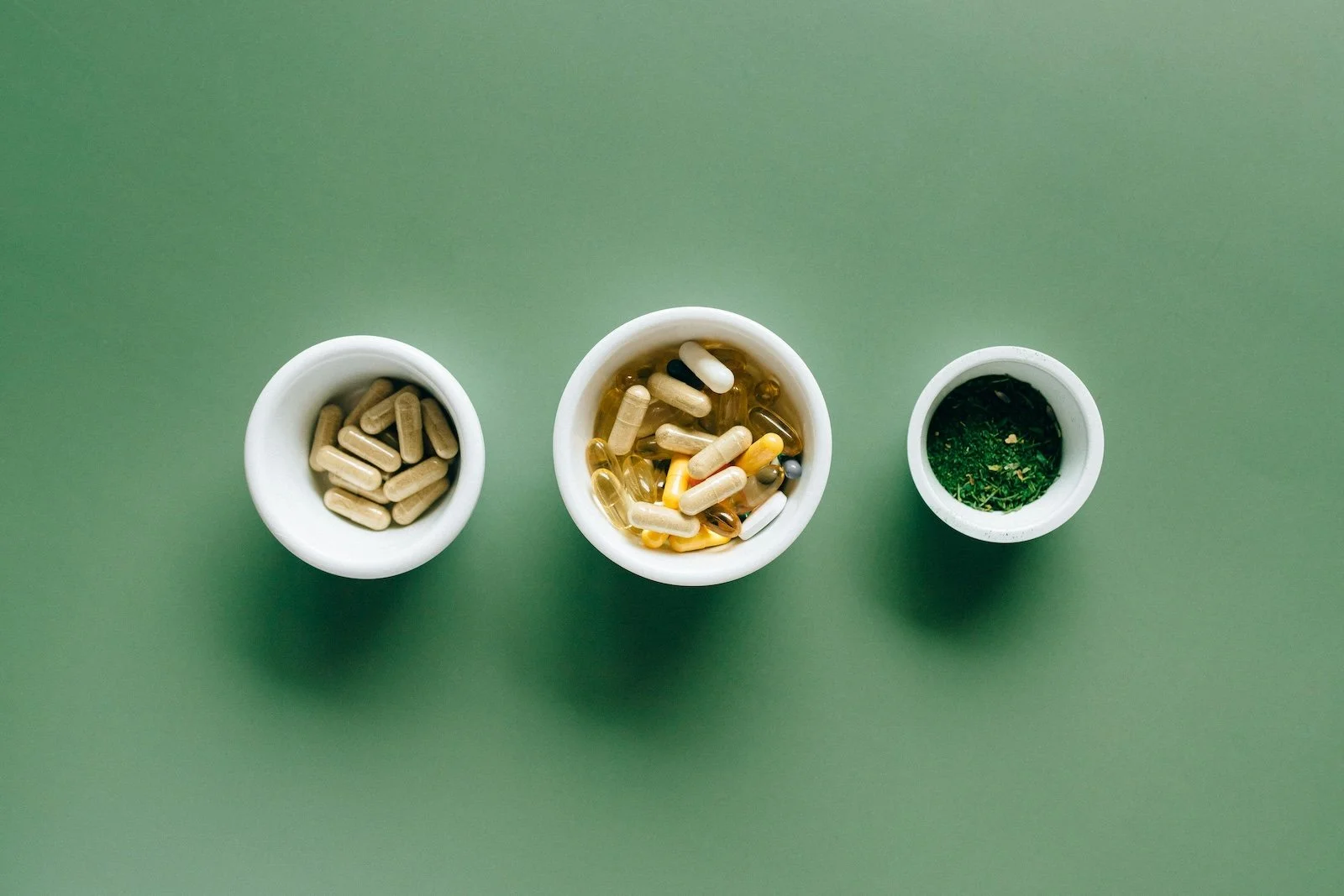
Best Supplements for Perimenopause (Quick List)
If you want a simple starting point:
magnesium for sleep and stress
vitamin D for bone and mood support
Omega-3s for brain and hormone health
B vitamins for energy
adaptogens for stress support
Why Supplements Can Help During Perimenopause
Hormone fluctuations can impact sleep, mood, and energy levels.
According to the National Institutes of Health, nutrients like vitamin D and magnesium play an important role in maintaining bone health and supporting overall function as hormone levels change.
Instead of taking multiple supplements at once, start with a few that address the most common symptoms:
Magnesium for Sleep and Stress
Magnesium helps regulate the nervous system and supports muscle relaxation. It is often used to improve sleep quality and may help reduce feelings of restlessness or tension at night. Many people are low in magnesium without realizing it, which can contribute to poor sleep and increased stress.Vitamin D for Bone and Mood Support
Vitamin D plays a key role in maintaining bone density, a role that becomes more important as estrogen levels change. It is also linked to mood regulation and immune function. Low vitamin D levels are common, especially in colder climates or if you spend less time in the sun.Omega-3s for Daily Support
Omega-3 fatty acids support brain health and may help reduce inflammation in the body. They are often associated with improved mood and overall cognitive function. Including omega-3s can be a simple way to support your body during hormonal changes.
What to Be Careful With
Not all supplements are necessary.
Be cautious of:
blends with unclear ingredients
products that promise fast results
high doses without guidance
How to Keep It Simple
Start with one or two supplements.
Give your body time to respond before adding more.
Where to Go From Here
If you’re building supportive routines, read: