How to Build a Nighttime Routine That Helps You Unwind
Your evenings shape your mornings.
When nights feel rushed, sleep suffers.
When nights feel steady, your body follows.
A nighttime routine does not need to be long.
It needs to be repeatable.
It needs to signal safety and rest.
This is the exact structure I use when I want to slow down and reset.

Start With a Clear Cutoff Time
Pick one time each night when the day ends.
No work tasks.
No decision making.
No scrolling with intent.
For me, this is 90 minutes before sleep.
This boundary matters because your brain needs a signal that it can stop producing urgency.
Ask yourself
What time can you realistically protect most nights?
Create One Transition Habit
Your body needs a bridge between day and night.
Choose one action you do every single evening.
Examples
• Washing your face slowly.
• Making a cup of herbal tea.
• Lighting a candle in the same room.
I always start with skincare.
It tells my body we are done for the day.
Keep this step simple.
Consistency matters more than effort.
Lower Stimulation in Small Ways
You do not need to remove all screens.
You do need to soften the environment.
Small shifts
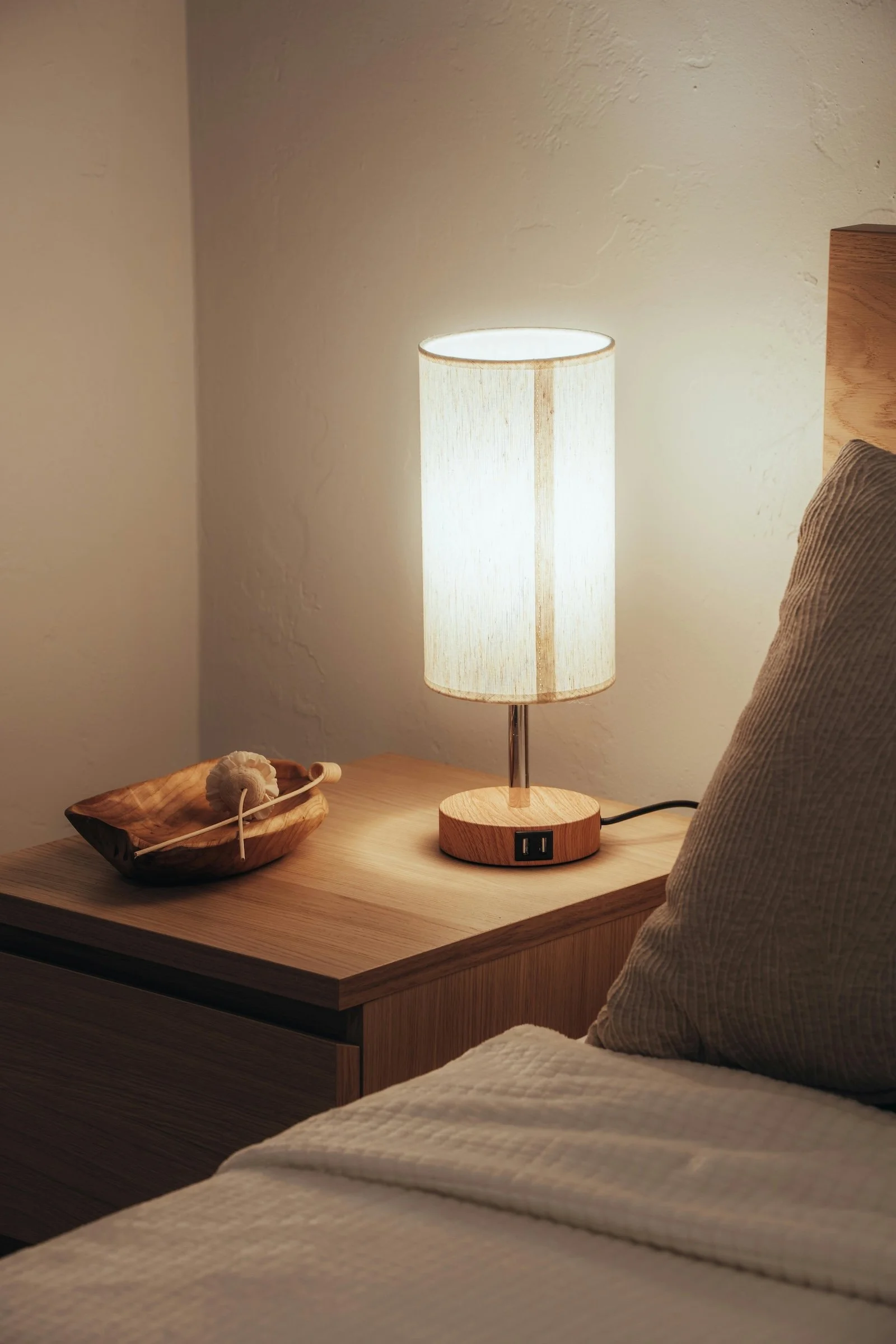
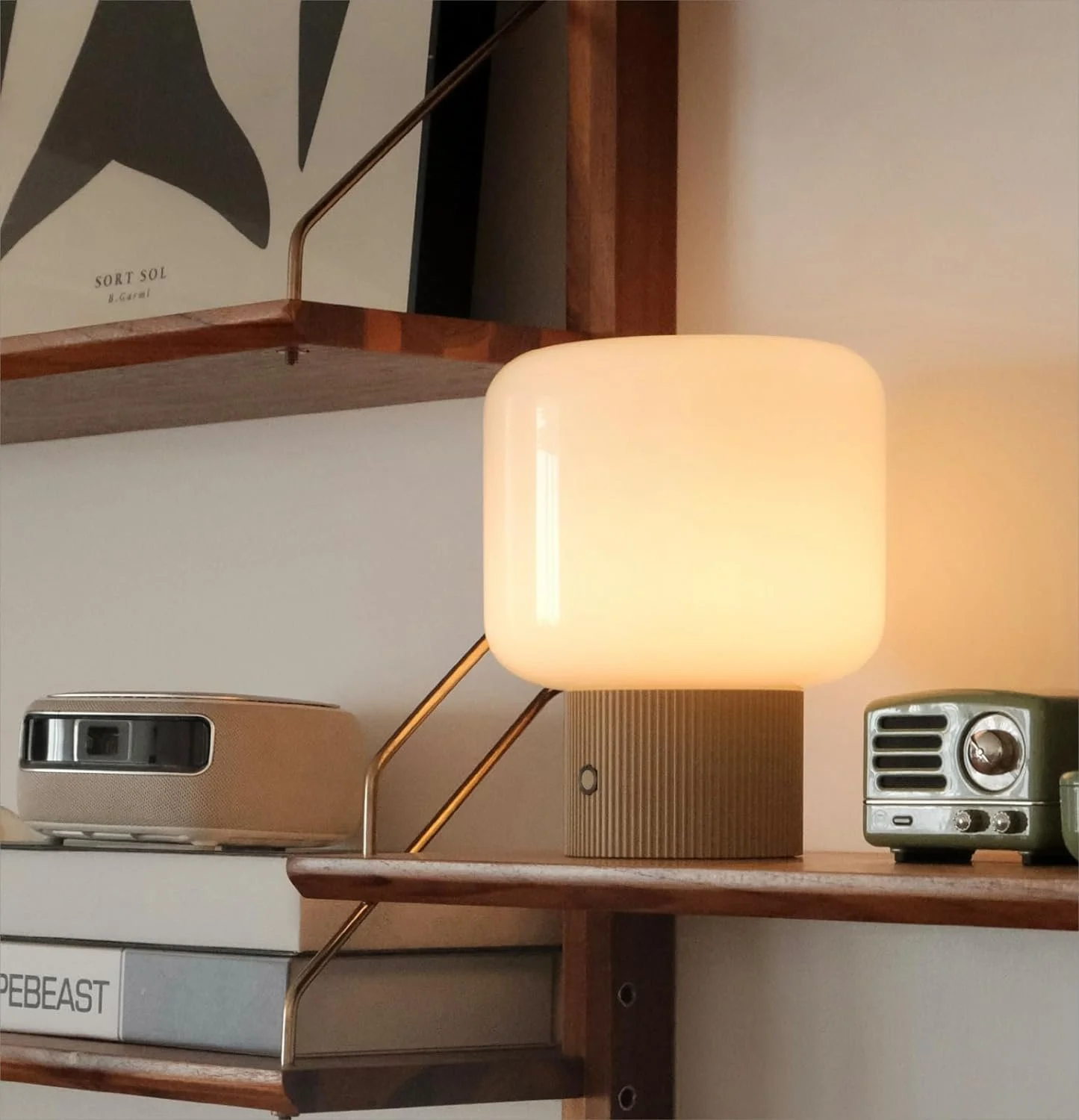
• Dim overhead lights.
• Switch to lamps or warm bulbs.
• Lower volume on everything.
I noticed better sleep once I stopped watching anything fast paced after dinner.
Ask yourself
What is one stimulus you could remove without stress?

Build a Short Wind Down Stack
Choose two or three calm activities.
No more than that.
Ideas that work
• Reading ten pages.
• Stretching for five minutes.
• Journaling one page.
I keep a book and a journal by my bed so there is no friction.
This is where essential oils or sleep blends can fit naturally.
Not as a fix.
As a cue.
Prepare for Tomorrow Tonight
Morning stress often starts the night before.
Spend five minutes setting yourself up.
Examples
• Lay out clothes.
• Write a short to do list.
• Prep your bag or workspace.
This step reduces mental noise when your head hits the pillow.
I sleep better when I know tomorrow is already partially handled.
Keep It Flexible
Some nights will fall apart.
That is normal.
When that happens
• Keep your transition habit.
• Skip everything else.
• Go to bed anyway.
A routine works because it adapts.
Not because it is perfect.
Simple Products That Support This Routine
These are tools, not requirements.
They help reinforce the habit when used consistently.
• Herbal teas for the transition habit.
• Essential oils used nightly.
• Silk sleep masks to block light.
If you already use something that works, keep it.
If you want to try something new, start with one item only.



How to Start Tonight
Do not build the full routine at once.
Start here
• Choose your cutoff time.
• Pick one transition habit.
• Repeat it for five nights.
That is enough.
If you want a calmer start to your mornings, your nights are where it begins.